

Understanding the historical evolution of gambling practices across cultures
The Origins of Gambling
The roots of gambling can be traced back thousands of years, with evidence of betting activities present in ancient civilizations. Archaeological findings suggest that as early as 3000 BC, the Chinese were using rudimentary forms of gambling, such as betting on the outcomes of various games. Similarly, ancient Egyptians engaged in betting activities related to sports and games, including dice games that involved chance and strategy. This early experimentation with games of chance highlights the innate human fascination with luck and risk. One modern platform that captures this excitement is SpinBet Bonuses NZ, which offers numerous betting opportunities for enthusiasts today.
Moreover, gambling practices varied widely among cultures, influenced by social, economic, and religious factors. In ancient Rome, gladiatorial contests often featured betting among spectators, integrating gambling into the public’s entertainment and leisure activities. This combination of sport and chance not only provided thrill but also generated significant income for those involved, marking the early intersection of gambling with organized competition and commerce.
As societies evolved, so did gambling. The introduction of coins around the 7th century BC in Lydia provided a new medium for bets, allowing gambling to flourish in various forms. The establishment of casinos, particularly in Venice during the Renaissance, reflected the growing acceptance and organization of gambling as a legitimate form of entertainment. By this time, gambling had become an integral part of social life across many cultures, indicating its deep-rooted presence in human civilization.
The Role of Religion in Gambling
Throughout history, religion has played a pivotal role in shaping gambling practices and perceptions. Many ancient cultures viewed gambling as a divine gift or a way to engage with the gods. For instance, the Greeks associated dice games with fate and fortune, believing that the results were influenced by the will of the deities. This intertwining of gambling with spirituality often led to rituals and ceremonies that accompanied betting activities, further embedding gambling into the cultural fabric of societies.
Conversely, various religions have also denounced gambling. In Christianity, gambling has often been viewed as a vice, linked to greed and moral decay. This ambivalence is evident in numerous historical contexts, where religious authorities sought to regulate or prohibit gambling activities. The differing attitudes toward gambling highlight a complex relationship between faith, ethics, and the human desire for entertainment and gain.
Moreover, as cultures intermingled through trade and colonization, so did their gambling practices. The introduction of new games and betting methods influenced existing traditions, creating a rich tapestry of gambling activities that evolved over centuries. As a result, the religious and cultural narratives surrounding gambling continue to shape contemporary perspectives and regulations in modern societies.
Gambling in the Modern Era
The advent of the Industrial Revolution in the 18th and 19th centuries marked a significant turning point in gambling practices. The rapid urbanization and economic changes led to the establishment of formal gambling establishments, such as racetracks and casinos. The introduction of state-sponsored lotteries in several countries also reflected a growing acceptance of gambling as a source of revenue for public projects. These developments showcased how societal attitudes towards gambling were evolving, balancing morality with economic necessity.
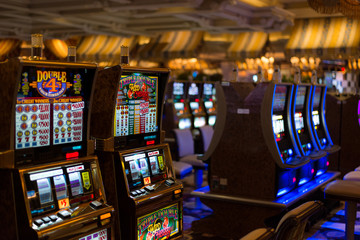
In the 20th century, the rise of technology revolutionized gambling. The introduction of electronic gaming machines and online platforms provided new avenues for players. This shift not only made gambling more accessible but also diversified the types of games available, catering to different preferences and demographics. Online gambling, in particular, has exploded in popularity, creating a global market that transcends geographical boundaries and regulatory frameworks.
However, the modern era also raises concerns regarding problem gambling and the ethics of gaming industries. As gambling becomes more integrated into everyday life, issues related to addiction, marketing, and regulatory oversight have emerged. Many governments now recognize the importance of responsible gaming initiatives, aiming to protect vulnerable populations while still allowing individuals the freedom to participate in gambling activities. This ongoing conversation reflects the complexities inherent in gambling as both a cultural phenomenon and a social responsibility.
Global Variations in Gambling Practices
Gambling practices vary significantly across cultures, reflecting local customs, legal frameworks, and historical contexts. For example, in Japan, traditional forms of gambling, such as pachinko and lotteries, coexist with regulated casinos, each reflecting unique cultural attributes. The respect for traditional games often contrasts with the modern casino environment, showcasing the spectrum of gambling experiences available to players.
In contrast, countries like the United States have seen a proliferation of gambling venues, with Las Vegas serving as a global symbol of betting culture. The legal landscape around gambling varies greatly by state, illustrating the ongoing debate about its societal implications. This divergence highlights the balance between personal freedom and societal norms, as different cultures grapple with the consequences of gambling.
Additionally, emerging markets across Asia and Africa are experiencing a gambling renaissance, fueled by economic growth and changing attitudes. Countries that once had strict gambling prohibitions are slowly embracing regulated gambling industries, recognizing their potential to generate tourism and revenue. As these practices evolve, they illustrate the dynamic nature of gambling as it adapts to contemporary societal values and expectations.

SpinBet: A Modern Take on Gambling
For those looking to experience modern gambling, SpinBet stands out as a premier online gaming platform. Tailored for players in New Zealand, it offers a diverse range of games, including popular options like slots, live games, roulette, and blackjack. The platform prioritizes user experience, ensuring that players can easily navigate through a wealth of gaming options while enjoying promotional offers like generous welcome packages and ongoing bonuses.
SpinBet also emphasizes responsible gaming, providing tools that empower players to set personal limits and engage in gaming responsibly. This focus on player well-being is crucial in the modern landscape, where the integration of technology and gaming demands greater awareness of potential risks associated with gambling. By prioritizing safety and user satisfaction, SpinBet exemplifies a balanced approach to online gaming.
As the world of gambling continues to evolve, platforms like SpinBet represent the intersection of tradition and innovation. They cater to the needs of modern players while acknowledging the historical context of gambling practices. This balance ensures that as society advances, gambling can remain a thrilling and responsible form of entertainment.